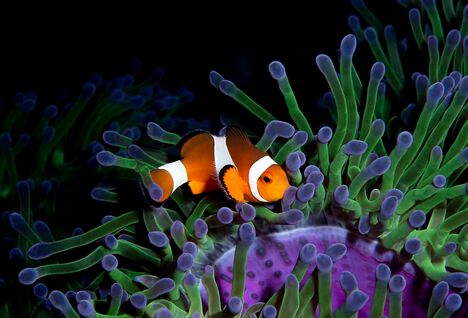
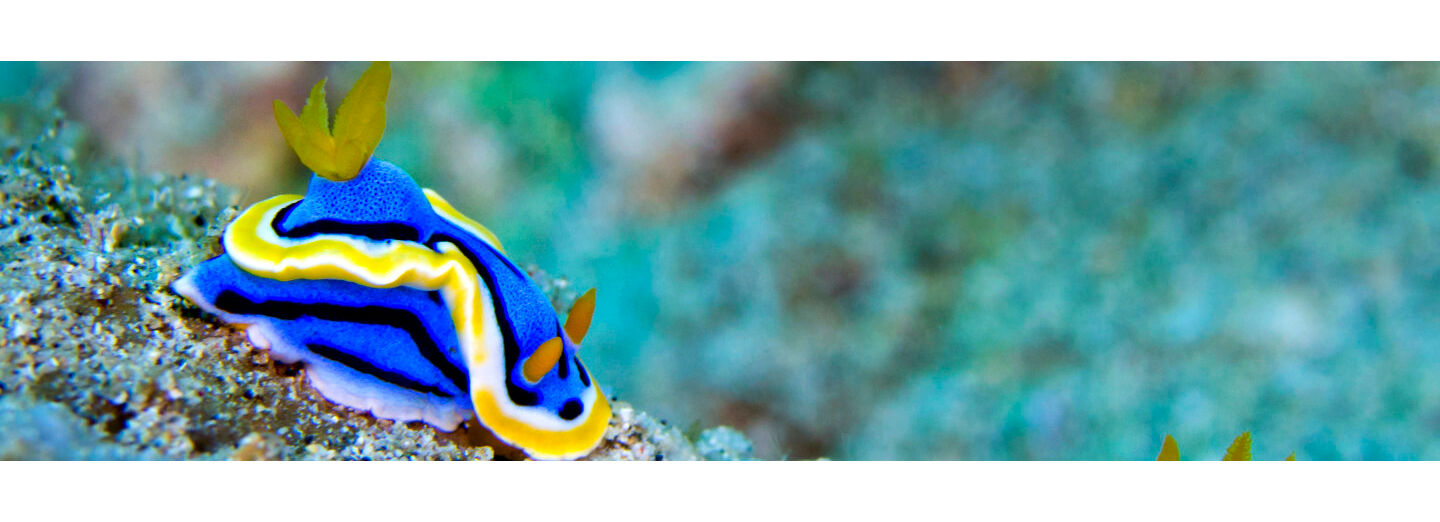
Nudibranchs are some of the most colourful - and most interesting - creatures in the ocean. There are over 3,000 species of them found across the world's oceans, meaning there are endless opportunities to seek them out on a dive. While fabulously coloured nudibranchs have amassed a cult-like following among divers, these critters are more than just beautiful to look at. They have plenty of quirky characteristics which aid them in eating, mating and defending themselves from predators. Whether you're keen to find out how nudibranchs harness jellyfish stings for defence, which species are solar-powered, or even just what nudibranch actually are, we've created an in-depth nudibranch guide to answer all your burning questions.
What are nudibranchs?
Nudibranchs, also known as sea slugs, are part of the mollusc family and are perhaps most well known for their vibrant colours and varying shapes. They come in all the colours of the rainbow and range in size from the minuscule, like the leaf sheep, which is usually less than ten millimetres long, to the large, such as the Spanish dancer (which is still only around 25cm long, so 'large' may be generous…). The word 'nudibranch' means 'naked gills', referring to their soft invertebrate bodies, which are not protected by a shell. They are one of the most diverse families of any marine creature and have established a well-deserved place in the hearts of many divers and underwater enthusiasts.
Related blog posts
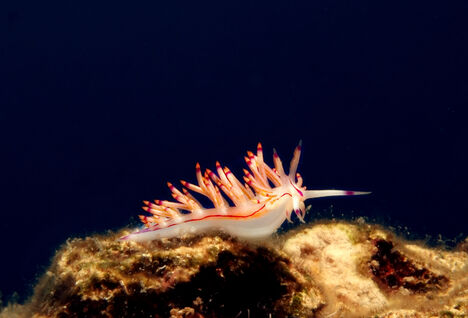
Top Ten Nudibranch Facts
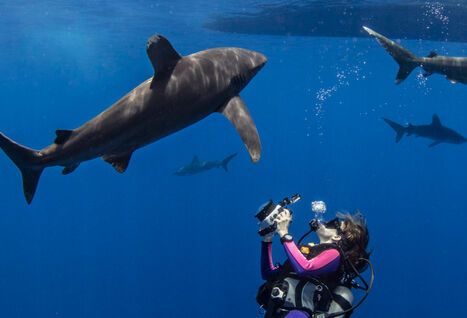
All Creatures Great and Small: Pelagic vs Macro Diving