Where do Nudibranchs Live?
Nudibranchs can be found around the world, from Indonesia to Antarctica, in every marine habitat, be that in ports, deep hydrothermal vents, corals, muck, rock pools or marshlands. More specifically, they are normally found near their food source, so keep an eye on corals and algae. Helpfully, they are pretty slow movers and enjoy sitting still, so once you do spot them, it's easy to hover close by for a proper look and to snap a photograph or two. They tend to be very small though - some are only a few millimetres long - so eagle eyes are required.
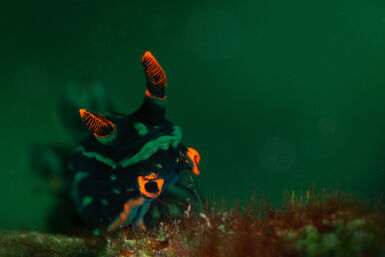
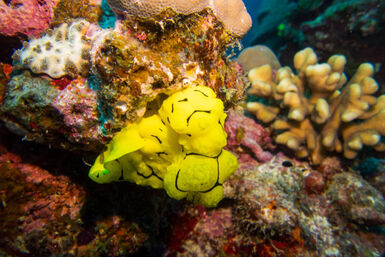
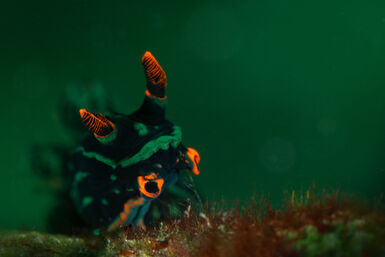
While some nudibranchs use their bright colours to announce their presence, such as the neon Nembrotha kubaryana, others use their colours to camouflage among the coral. Some are out during the day, others are night lovers; some are found in the coral, others in the rubble, and a few can be spotted floating in the water column or clinging to the tentacle of a Portuguese man o' war. Certain species linger in the shallows, others lurk over 700m below the surface. The bottom line is that nudibranchs can be spotted in many locations, but also easily missed if you don't know where to look; luckily, you're in the right place to find out where and how to find your multicoloured buddies.
Best places to see nudibranchs:
1. Diving with nudibranchs in Anilao, Philippines
Anilao, located in the Batangas Province of the Philippines, is one of the best places to dive with nudibranchs, which has earned it the nickname of the 'Nudibranch Capital of the World'. With over 50 dive sites, most only a 30-minute boat ride from shore, there is a range of habitats to go nudibranch searching, from muck sites such as Anilao Pier to Secret Bay or the collar-covered pinnacles of Twin Rocks. These waters will have you constantly diving below the surface to spot one of the hundreds of species of nudibranchs found here. Top tip, keep a close eye on the Xenia soft corals, where you might be able to spot a mimicking nudibranch, Phyllodesmium rudmani, camouflaging itself. Anilao is suitable for all levels of divers, with amazing wildlife found in as little as five meters, all the way down to more challenging dives at 35 metres.

Best dive locations for nudibranchs in Anilao, Philippines
With over 50 sites to choose from, it's hard to know where to start. Luckily, we're here to help you narrow it down. Secret Bay, also known as Mainit Muck, is perhaps the most famous muck diving site in Anilao. Along this sand bed, which may at first appear barren, you'll find an array of nudis, especially between November and March. Twin Rocks, named after its two coral-covered pinnacles, is another classic. Surrounded by various rocks and coral gardens, this site drops to 16 metres. It's a little further to get to, around 45 to 60-minutes by boat, but the ride is worth it with epic views of the Batangas cliffs. If you dive the Twin Rocks, be sure to head to the Cathedral on your way back, where you'll find a large concrete cross on the seabed. Anilao Pier is a wonderful place to spot some uncommon nudibranchs and is popular for beginner night diving as it only drops down to 12 metres. If you want to float over a living pink carpet of soft corals and anemones, head to Ligopo Island, although this site is more challenging due to the depth of 35 metres and stronger currents.
Best time to see nudibranchs in Anilao, Philippines?
While critters are present year-round, the best time to dive to see nudibranchs in Anilao is during the dry season, which is from November to May. The seas are at their calmest and clearest with water temperatures between 25-30°C and visibility reaching up to 25m. If you go between January and March, the cooler waters (around 23 °C) bring out some rarer species like the Ceratosoma alleni.
What makes Anialo, Philippines special for nudibranchs?
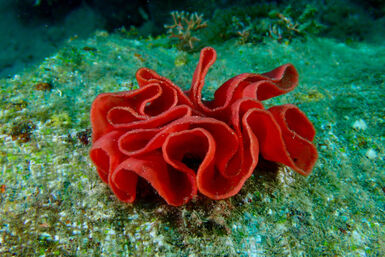
Diving in Anilao offers the chance to see some elusive nudibranchs, such as the Hypselodoris apolegma, nicknamed the Bubblegum Worm due to its purple colour. Look out for the tiny, coloured spines of the Flabellina exoptata, the spotted dorid (Goniobranchus hintuanensis) and plenty of ribboned nudibranch eggs. Feeling a little daring? Why not also try a blackwater dive while you're here?
2. Diving with nudibranchs in the Lembeh Strait, Indonesia
Looking for the most weird and wonderful beauties that lie below the surface? Then Lembeh is the place to be. Often touted as the muck capital of the world, Lembeh Strait, located in North Sulawesi in Indonesia, offers sites for all levels of divers. This black sandy sea floor is where the magic lies, and with temperatures ranging from 25-29°C year-round, you can leave the thick wetsuit at home. Visibility isn't the best here, reaching up to 15m, but that's okay because in Lembeh, you're more focused on what's right in front of you than gazing at an expansive reef.
Best dive locations for nudibranchs in the Lembeh Strait, Indonesia
Nudi Falls is a must when diving in the Lembeh Strait. This site does have stronger currents, but you're rewarded with soft coral gardens, walls of sponges and sea whips housing an array of nudis. Pantai Parigi offers a different backdrop for underwater photographers, with white sand, rubble and reef, as well as the Strait's densest hard coral cover. Then there's Police Pier, which, as the name suggests, lies under the jetty used by the local police station, and Hairball and Teluk Kambahu, both of which are known for their black sand slopes.
Best time to see nudibranchs in the Lembeh Strait?
The best time to go diving in the Lembeh Strait to spot nudibranchs is from July to October, when the slightly cooler waters bring more critters into shallower depths, making them easier to find. October to December are the peak diving months more generally, offering clearer visibility, ideal for critter hunting and practising your underwater photography skills.
What makes the Lembeh Strait special for nudibranch diving?
The broken coral bed of the Lembeh Strait, alongside the sloping reefs, make the perfect dwelling for over 200 species of nudibranchs. Macro photographers will be snapping away at the photogenic Chromodoris elisabethina, the unusual Halgerdra batangas and brightly coloured Aegires minor.
3. Diving with Nudibranchs in Mafia Island, Tanzania
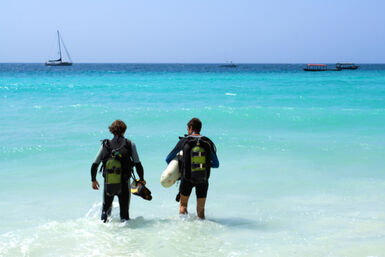
Mafia Island, sitting pretty just south of Zanzibar, is a protected marine reserve and home to some of Tanzania's most pristine coral reefs. The diving conditions are a little tricky due to strong currents, but this makes it perfect for drift diving. Mafia Island is quieter than its neighbour, Zanzibar, meaning you can enjoy crowd-free beaches in between dives
Best dive locations for nudibranchs in Mafia Island
Chloe Bay is in the heart of the protected Mafia Island Marine Park and is a biodiversity hotspot that will have you losing count of the nudis that you see. Dive the aptly named Nudi City, a reef in shallow waters of only nine metres, or head to Frogfish Town (no prizes for what you can expect here) for nudis alongside frogfish. Milimani, meanwhile, is known for its hard and soft corals, so look carefully for camouflaged nudis here.
Best time to see nudibranchs in Mafia Island?
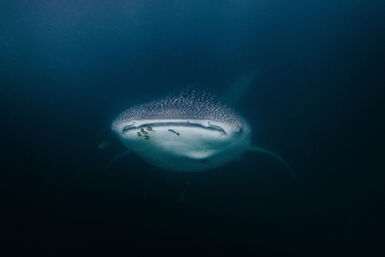
While you can spy nudibranchs year-round, the best time to see nudibranchs in Mafia Island is during the dry season, which lasts from November until March. These months offer the best visibility - we're talking up to 40 metres - along with water temperatures between 26-29°C and, importantly, aligns with the whale shark season, so you can see some of the ocean's biggest and smallest marvels together.
What makes Mafia Island special for nudibranch diving?
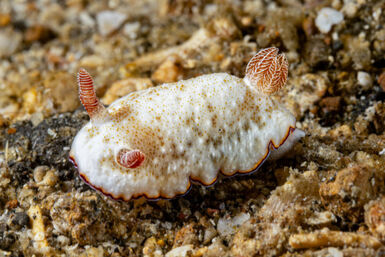
Spy some colourful characters such as the Ceratophyllidia africana, Goniobranchus alius and Hypselodoris yarae alongside marine favourites, including turtles, rays, and, at the right time of year, whale sharks. If you fancy some time with the singers of the ocean, humpback whales, head to Mafia between August and September.
4. Diving with Nudibranchs in Dumaguete, Philippines
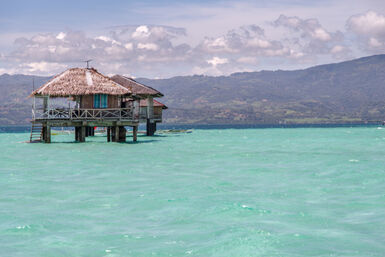
Along the southeast coast of Negros Island, Dumaguete is home to the most wonderfully colourful nudibranchs in the Philippines. Diveable year-round and with calm currents (making it perfect for any diving newbie), Dumaguete has gained a well-deserved reputation as a muck diving haven, with well over a hundred species of nudibranchs to search for. You'll only need your three-millimetre wetsuit here too, as the waters here are a comfortable 26-30°C.
Best dive locations for nudibranchs in Dumaguete
One of the best things about diving in Dumaguete is that most of the sites are just a few minutes by boat from the shore. San Miguel is great for beginners, with nudibranchs often found in as little as five metres of water. Meanwhile, Poblacion has a maximum depth of around 28m, and once a few macro critters are pointed out, you'll quickly notice the seafloor coming to life with an array of characters. Bonnet's Corner and Secret Corner are also excellent sites, while Masaplod Norte offers the chance to see yellow 'banana' nudibranchs.
Best time to see nudibranchs in Dumaguete?
While Dumaguete is diveable year-round, the best time to visit is during the dry season, which runs from December to May. During these months, the water is at its calmest with the best visibility, reaching over 20m, and the highest concentration of different nudibranch species.
What makes Dumaguete special for nudibranch diving?
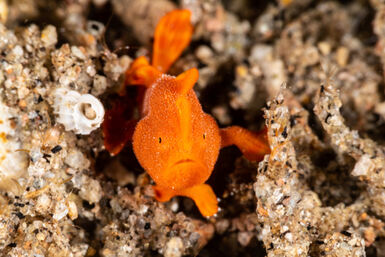
Dumaguete is home to some of our favourite nudibranchs, including the bumpy Mexichromis (Mexichromis multituberculata), the Pokemon-looking Nembrotha kubaryana and the spotted ornate Stiliger (Stiliger ornatus). You'll also find rare marvels such as the mimic octopus, flamboyant cuttlefish and more frogfish that you can keep track of. Afterall, Dumaguete is known to be the 'frogfish capital of the world', so if you want to spy some of these then head here between February and June. And from the small to the big, take a day trip from Oslob for a chance to snorkel with some whale sharks (season dependent).
5. Diving with Nudibranchs in Alor, Indonesia
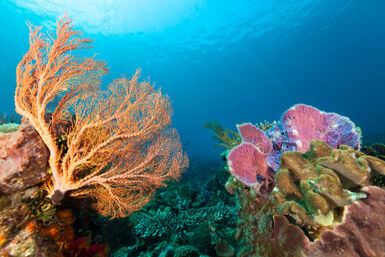
While Alor may be hard to get to, it's worth the journey, as pristine reefs, dramatic walls and vibrant corals await your arrival. Located in eastern Indonesia and part of the Coral Triangle, Alor has much to adore. The gin clear waters here are a treasure trove of colourful jewels, with biodiversity that will fill your diving book. Alor is less well-trodden than its neighbours, leaving colourful corals ready to explore. Local fishermen here use only sustainable fishing methods to prevent pollution and damage from fishing nets, allowing the 200+ species of nudibranchs to thrive. Due to stronger currents, Alor is more suitable for experienced divers.
Best dive locations for nudibranchs in Alor
The best dive sites for critter lovers are around Kalabahi Bay, a macro photographer's paradise. The dive sites here are all muck sites with black sand shores, but can plunge to depths of 200 metres, so you may be lucky enough to spot whales patrolling the depths. For the colour lovers, head to the Pantar Strait, where the underwater landscape is a kaleidoscope of colour and buzzing reef life.
Best time to see nudibranchs in Alor?
You can see nudibranchs year-round in Alor, but the best time to do so is during the muck season, which runs from October until May. There is a peak in tourism during October and November, and again from March to May and for good reason; diving conditions are delightful with water temperatures between 24-25°C and visibility reaching up to 30 metres. The wet season does occur between December and February, so if stronger currents aren't your thing (and you'd rather stay dry during surface intervals), it's best to avoid these months.
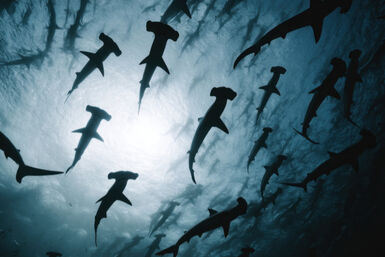
What makes Alor special for hammerhead diving?
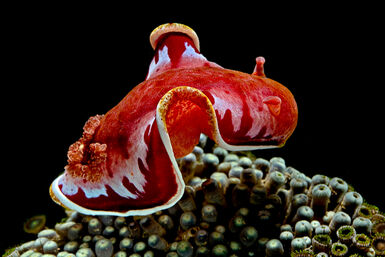
Here you'll find all sorts of nudibranchs, from the minuscule ringed favorinus (Favorinus tsuruganus) to the large Spanish Dancer. Alongside the nudis, you can spy schooling hammerheads, and for something truly special on land, opt for a Bubu Fisherman experience.
6. Diving with Nudibranchs in Milne Bay, Papua New Guinea
Milne Bay is often referred to as the birthplace of muck diving and is known for iconic sites such as Dinah's Beach. Located in the Coral Triangle, on the southeastern tip of Papua New Guinea, Milne Bay is hugely varied, from muck diving and pelagics to kaleidoscopic reefs and World War II wrecks. The water is consistently warm, hovering between 24-29°C and is diveable year-round, although the changing seasons do mean that visibility can range from 15 to 30m. While Milne Bay welcomes all levels of divers, those more advanced can take advantage of some deeper dives. If you're lucky (and eagle-eyed), you may spot a rare Red Sponge nudibranch, which is only a few millimetres long.
Best dive locations for nudibranchs in Milne Bay
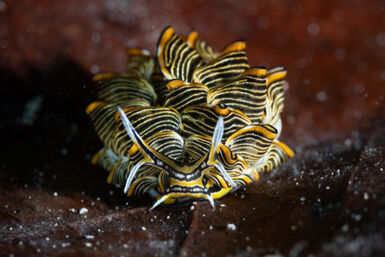
If you're a history buff, head to the wreck of Muscoota in Discovery Bay to spy colourful nudis among the sponges and corals that decorate this sunken British Royal Navy Clipper. Elsewhere, on the north coast, there is Lauadi, an iconic muck dive site where you'll spy critters in water as shallow as two to 15 metres. Deacon's Reef offers the chance to swim over cabbage coral gardens, but be sure to go slow so that you can look out for dragon-esque Cyerce nigra or the fluorescent yellow Notodoris minor.
Best time to see nudibranchs in Milne Bay?
Contrary to what you might assume, diving in Milne Bay during Papua New Guinea's wet season offers the best chance of spotting your favourite critters. January through to April has the best conditions, with calm, warm waters (24-29°C) and visibility reaching over 25 metres. Rainstorms can occur, but the surface conditions are usually calm enough for diving below the surface.
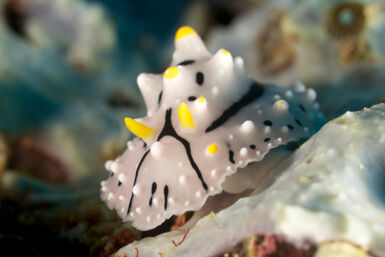
What makes Milne Bay special for nudibranch diving?
Milne Bay is the original Papua New Guinea diving location. For the muck lovers, it's all about Dinah's Beach, the birthday place of muck diving. Lying in the path of ripping currents, diving around here offers exhilarating drift dives at sites such as the iconic Washing Machine. The critters around the Island of Samaria have turned the dilapidated jetty into their own shelter, so be sure to have your identification card ready to tick off as many species as you can. For those who also love manta rays, head over to the site known as Giants at Home, one of the most reliable sites for manta ray interactions. And if whale sharks are your thing, then check out Wahoo Point between June and October.
7. Diving with Nudibranchs in Tofo, Mozambique
Tofo, located on a peninsula on Mozambique's southeast coast, has dive sites for every level. From as little as five metres deep, you can explore the vibrant underwater world full of corals and critters to depths of 30 metres to spy slinking sharks, humpback whales and barracuda; glide with a Spanish dancer (nudibranch edition) at Manta Reef or search for a Halgerda wasinensis among the rocky reefs.
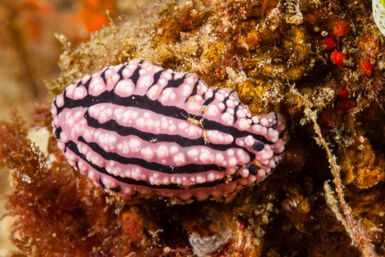
Best dive locations for nudibranchs in Tofo
Nudibranchs can be found all around Tofo. Known for its coral-rich boulders, Praia da Rocha is an excellent site for critter searching, and macro photographers will love the sandy ledges of Estrada. Swim under some arches to look for nudis clinging to rocks at Marble Arch or spy a sleeping green turtle at Salon. Away from nudibranchs, head to Clown Fish Reef to spot a Nemo (or a hundred) among anemones, or if you're more experienced and looking for the big boys, head to the Amazon, a site that reaches up to 30 metres deep and is home to white tip and leopard sharks catching a few winks on the sandy bed.
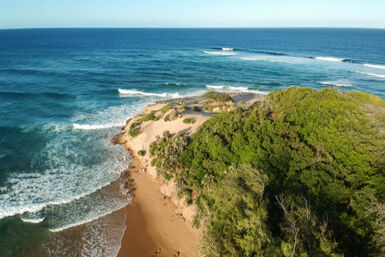
Best time to see nudibranchs in Tofo?
The best time to see all forms of cute critters in Tofo is during the warmer, plankton-rich summer months that run from November to April, especially between December and February. During these months, you can expect water temperatures between 25 and 30 °C, so leave that thick wetsuit at home. Visibility is lower (reaching up to 15 metres) due to the plankton-filled waters, but you could be rewarded with a sighting of whale sharks. While the dry season (which runs from May to October) offers better visibility for overall diving, the increased plankton levels during the summer months attract a greater variety and abundance of nudibranchs.
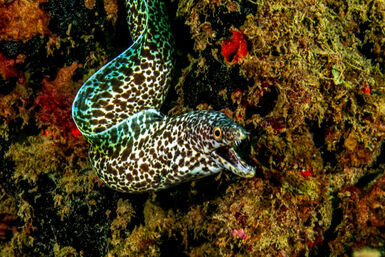
What makes Tofo special for nudibranch diving?
From the big to the small, Tofo is home to it all. In these waters, you can spot a Spanish dancer moving through the waters, along with Hypselodoris regina, Halgerda wasinensis or Chromodoris Africana, as well as the bigger beauties. Humpback whales pass by on their way through the Mozambique Channel from the Antarctic, zebra sharks are a docile delight to encounter, and the list goes on, with (deep breath) whale sharks, manta rays, moray eels, huge schools of kingfish, giant lobsters, schooling banner fish, Moorish idols, barred sweetlips and many, many more all found in in the waters around Tofo.