
You've heard of eat, sleep, repeat, but what about dive, eat, sleep, repeat? For those aquatic aficionados looking to maximise their time underwater, there's nothing better than liveaboard diving - also referred to as dive safaris or dive charters. But how does it differ from regular scuba diving? What are the benefits? And where can you do it? Read on, and we'll answer all these questions and more in our guide to liveaboard diving...
How does it work?
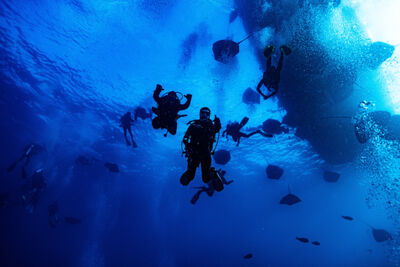
Taking 'it does what it says on the tin' to a whole new level, liveaboard diving is where you live aboard a boat for the duration of your trip. From here you can eat, sleep and, of course, dive all from one place. Liveaboard boats are either purpose-built for scuba diving, or have been kitted out with the necessary gear, and since they operate on set departure times, you'll be grouped with other divers. But, for those in search of more freedom, there's also the option to charter your own liveaboard - be it a simple vessel or a luxury yacht.
What’s the benefit?
Liveaboard diving allows you to explore dive sites that cannot be reached within a single day, giving you a higher chance of encountering some truly spectacular marine life. You can also do multiple dives (we're talking up to four or five) per day on a liveaboard boat, so there's no shortage of underwater exploration. Since everything revolves around diving, it's also a great way to feel more connected to nature and the environments that you'll be discovering. And - if you're on board with others - there's the added bonus of being able to meet like-minded dive enthusiasts.
What does a typical itinerary look like?
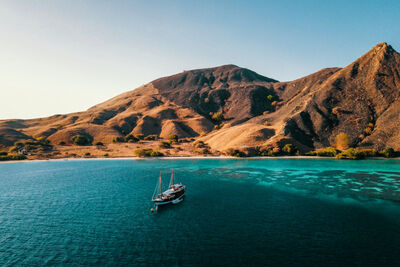
It truly is dive, eat, sleep, repeat. You'll wake up, tuck into a delicious breakfast and head out for one or two morning dives. Then, following a leisurely lunch, you'll head out again in the afternoon. After this, there's often some downtime scheduled in, giving you a chance to unwind, chill on the sundeck and wade through your camera footage (it's bound to be overflowing with epic shots). After dinner, some liveaboards even offer night dives. But if this isn't the case, you can simply kick back with a sundowner and prepare to do it all again tomorrow - does it get much better than this?
What are the requirements?
Before you take the plunge (sorry), there are a few things you'll need to have under your belt. At the very least, you'll need the Open Water Diver certification, although some liveaboard destinations will require an Advanced Open Water certification, too. You'll also need to have completed 40-50 dives, dived in the last six to 12 months and have good buoyancy control - essential for those coveted multi-dive days. Some more challenging destinations, such as the Galapagos or Costa Rica's Cocos Island, can also require dive experience in cold water or currents. So, make sure you've tested the waters (if you will) before considering these destinations.
What should you bring?
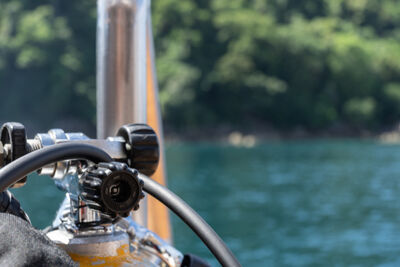
Aside from the usual holiday essentials, you'll need your trusty dive gear, reef-safe suncream (since regular suncream is poisonous to coral reefs) and first-aid medication or seasickness meds. We also recommend bringing some reading materials, a refillable water bottle to reduce plastic waste and, of course, a camera - or one of our GoPros - to capture those memorable marine moments.
Are there any safety precautions?
To ensure your time aboard is as safe as possible, make sure your dive gear is fully serviced and your scuba skills are up to date. Before you jet off, it's also best to make sure you have dive or travel insurance in place. Then, to ensure smooth sailing once you're on board, listen carefully to the safety briefings and familiarise yourself with the emergency action plan. After all, you came to delve deep, not to end up in over your head.
Where should you go?
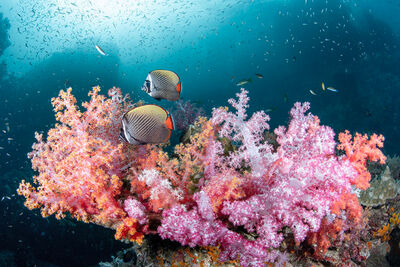
Now that we've covered the logistics, it's time for the fun stuff: where to go? For first-timers, Egypt's Red Sea is an ideal mid-haul diving destination with awe-inspiring wrecks. Keen to spy some sharks? Head to the Maldives, where you're (almost) guaranteed a few manta ray sightings. Alternatively, advanced divers and macro-diving enthusiasts should set their sights on Indonesia. And for lovers of all things luxury? Palau offers sumptuous scenes, exceptional coral and - for those keen to keep the exploration going on land - a captivating combo of cultural tours and WWII history.
Why should you book with us?
The only issue with liveaboard diving is that it often involves some lengthy logistics. For example, if you don't time your arrival right, or if you experience any delays during your outward journey, the boat won't be able to wait for you. But don't worry, you can sidestep the hassle by booking with us. We'll build a tailor-made itinerary that not only streamlines your layovers, but makes the most of them, too. Whether you're looking for exciting excursions or some delightful downtime, we can arrange a range of experiences before or after boarding - which means less time wrestling itineraries, and more time making bubbles.
Has our guide to liveaboard diving piqued your interest? Get in touch with one of our experts today to start dreaming up your next deep-sea adventure.


