
With access to elusive marine life, lesser-explored dive sites and scenic underwater landscapes, there are many perks to dipping your flipper in colder waters. But preparation is key - whether it's choosing the right gear, staying warm between dives or navigating unpredictable visibility. From spotting hammerhead sharks in the Galapagos to diving between two tectonic plates in Iceland, the chilly underwater world has a lot to offer. Still unsure if cold water diving is for you? Read on for our top tips and destination recommendations...
Top Tips
Gear up for the cold
Cold water diving isn't always as chilly as it sounds, but the right gear is essential. To stay cosy underwater, opt for a wetsuit or a dry suit. Wetsuits, made from layers of neoprene, allow a small amount of water in, which your body then warms to keep you comfortable while you dive (top tip: they should be snug). Diving hoods, gloves and boots also keep you warmer for longer. Dry suits, on the other hand, prevent water from entering, and are designed with tight seals on the neck, wrists and feet. You can even layer thermal undergarments underneath for extra warmth.
Stay toasty between dives
Staying warm on land is just as important as staying warm underwater, especially if you're diving multiple times a day. If you're diving from a boat, make sure to set up your gear before departure so you can stay comfortable during the ride. A cosy, fleece-lined windproof jacket is ideal for keeping the chill at bay. Post-dive, why not swap your hood for a woolly hat to keep you warm? And if a hot tea or coffee is waiting for you, even better.
Embrace the changing visibility
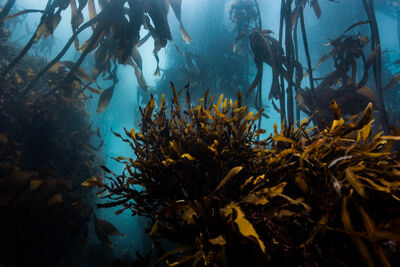
While tropical, warm waters often boast excellent visibility, cold water diving can be more unpredictable. Visibility varies depending on the temperature, sediment and the season, but don't let that put you off. Imagine diving beneath the surface into a dense kelp forest, where soft beams of light pierce the canopy - magical, right? And if you're set on pristine conditions, the chilly waters of Norway and Iceland have your name written all over them.
Where to go cold water diving
Galapagos
The Galapagos kicks off our roundup of cold water diving destinations. Sitting at the crossroads between several major ocean currents, the archipelago boasts a distinctive ecology and diverse marine life. Between June and November, water temperatures drop, so you'll need a thick wetsuit, along with a hood, gloves and boots for extra warmth. But braving the cold is worth it for the huge schools of hammerhead sharks you'll likely spot around Darwin and Wolf Islands, drawn in by the nutrient-rich waters.
Iceland
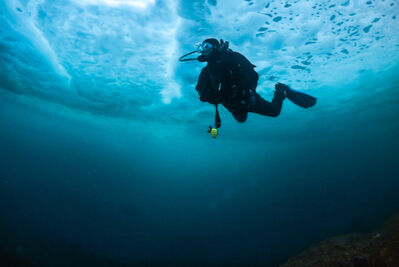
Iceland's glassy waters are next on our list. Home to the Silfra fissure - the only place in the world where you can dive between two continental plates - this icy dive is one you won't want to miss. While the temperature hovers between two and four degrees, visibility often exceeds 100m (talk about crystal-clear conditions). For chillier dives, head to Gardur, where you'll likely discover cold water creatures like wolf fish and lumpsuckers weaving through the kelp forests.
Pacific Coast of Mexico
The Pacific Coast of Mexico offers a cooler alternative to the warm Caribbean coastline. With water temperatures ranging from 19°C to 22°C, most divers opt for a thick wetsuit. If you're after a bucket-list diving experience, Guadalupe is the place to be. Accessible only via liveaboard, this remote island attracts great white sharks to its colder waters between August and October, giving divers the chance to witness these iconic ocean predators up close.
Gozo
The small island of Gozo offers excellent diving conditions year-round. While the peak season falls between the warm summer months of July and August, the winter months bring fewer crowds and often clear visibility. Despite the cooler temperatures in winter, famous dive sites like the Blue Hole (a natural limestone sinkhole) and the Inland Sea (a semi-circular lagoon connected to the Mediterranean Sea by a tunnel) are still worth a visit.


