
If there's one date ocean lovers should have circled on their calendars, it's the 9th June: Coral Triangle Day. This annual event shines a spotlight on the Coral Triangle - an important marine region spanning Indonesia, Malaysia, the Philippines, Papua New Guinea, Solomon Islands and Timor-Leste - and the conservation efforts needed to protect it. Home to the richest marine biodiversity on Earth, these tropical waters are increasingly feeling the effects of climate change, with rising sea temperatures, coral bleaching events and shifting wildlife migrations making expert knowledge more valuable than ever. Planning a trip to paradise on Earth? Before you pack your fins, here's what you need to know…
What makes the Coral Triangle so special?
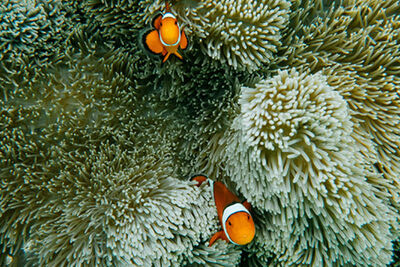
Name a marine creature on your diving wish list. Whale shark? Manta ray? Pygmy seahorse? Whatever you're thinking, chances are you'll find it somewhere in the Coral Triangle. Spanning the waters of six countries, this extraordinary region is home to 76% of the world's coral species and more than 2,000 fish species, supporting vital ecosystems that sustain millions of people. It's also a crucial stop along the migratory routes of some of the ocean's biggest stars, including sea turtles, dolphins and whales, all of which depend on its nutrient-rich waters for feeding, breeding and shelter.
The effects of climate change on the Coral Triangle
Coral Triangle Day promotes an important message: the future of this remarkable region cannot be taken for granted.
Climate change is already leaving its mark beneath the waves, with warmer seas triggering coral bleaching events across parts of the Coral Triangle. As ocean temperatures rise, corals expel the algae that help keep them healthy and give reefs their vibrant colours that we all know and love. Without them, once flourishing reefs can fade to ghostly white - and while some reefs can recover if conditions improve, others may take decades to bounce back. For the thousands of marine species that rely on coral reefs for food and protection, that's a big deal, and when their underwater homes are damaged, the impacts ripple throughout the wider ecosystem.
The knock-on effects don't stop there. As ocean conditions change, some marine species are being pushed beyond their usual ranges, altering long-established feeding, breeding and migration patterns, while increasingly unpredictable weather patterns bring stronger storms and longer dry spells, adding further pressure to this fragile environment.
The impact on diving travel
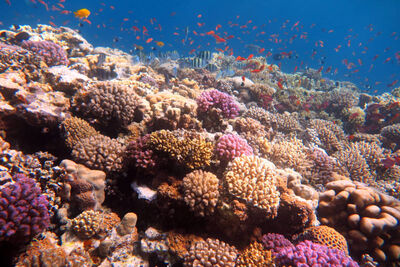
If climate pressures continue to mount, diving travel could become increasingly unpredictable. Stronger storms and erratic weather may disrupt travel between islands and create more challenging conditions for liveaboards venturing into the Coral Triangle's remote reaches.
Beneath the surface, the stakes are even higher. If reefs are repeatedly exposed to bleaching events, divers could see fewer healthy corals and a decline in the abundance of marine life that makes the Coral Triangle so special. It's a sobering thought, and a reminder of why Coral Triangle Day remains such an important date in the conservation calendar.
What we do to help
So, what does all of this mean for divers? It's not all bad news. Despite the challenges, the Coral Triangle is still every bit as magical as its reputation suggests. These waters still offer bucket-list dives: the kind that fill logbooks and fuel dinner-party stories for years to come, from close encounters with ocean icons to kaleidoscopic reefs teeming with life. The challenge now is protecting these experiences for divers who follow in our fin kicks.

Eco-certified dive properties
Safeguarding the Coral Triangle will take a collective commitment, and we're determined to play our part. That's why we carefully select eco-certified dive properties and liveaboards that are actively working to reduce their environmental impact. From pledging to become entirely plastic-free to developing circular waste systems, these operators are driving positive change at both a regional and global level. We have a growing green book of Original Diving-approved sustainable resorts in the Coral Triangle, making it easier for our divers to make more conscious travel choices.
Community-led tourism
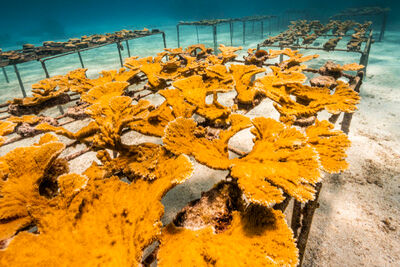
We also champion community-led tourism, giving divers the opportunity to plunge right into local conservation initiatives (pun intended). As interest in more meaningful travel experiences continues to grow - a travel trend that's right up our street - we've designed a range of itineraries that place local communities and marine conservation at their heart. That could mean diving alongside traditional Bubu fishermen in Indonesia or joining coral restoration projects in the Philippines.
Conservation projects
We don't just talk about conservation - we like to get involved too. Through our partnership with Coral Gardeners, we've sponsored coral restoration projects on behalf of our clients, supporting the recovery of vulnerable reef ecosystems.

Offsetting carbon absorption
There's always the question: should we continue to fly in an era of climate change? Limiting flights altogether isn't the solution, yet turning a blind eye to the environmental impact of travel isn't an option either. That's why we invest in certified reforestation projects that absorb 100% of the CO2 emissions linked to our flights, so you can spend less time worrying about your footprint and more time thinking about your next stride into the deep blue.
How divers can make a difference
Saving the ocean might sound like a big ask, but it often starts with the smallest steps. That's why we encourage simple reef-safe practices, such as marine-friendly sunscreen, carrying a reusable water bottle wherever possible and reducing your overall environmental footprint. Perhaps most importantly, leave corals, shells and other treasures exactly where you found them, give marine life plenty of space and remember that you're a guest in their underwater home.
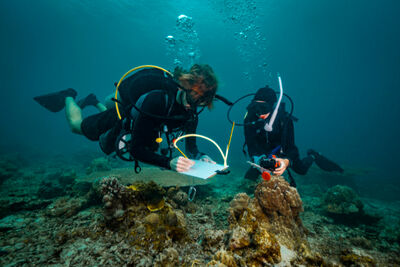
The spirit of Coral Triangle Day shouldn't be confined to just one date a year. Many NGOs are on the lookout for extra muscle to lend a helping hand, whether that's through beach clean-ups, coral restoration projects or survey dives. After all, protecting the ocean is much easier when everyone chips in.
Feeling inspired?
Fancy experiencing the Coral Triangle for yourself? Our experts receive regular updates from our trusted suppliers and frequently embark on familiarisation trips to ensure our knowledge is always up to date. Whether it's whale sharks, manta rays or some of the most biodiverse reefs on the planet that have caught your attention, we'll help you plan a trip that benefits both you and the places you visit. So, leave the logistics to us and start dreaming up your next big adventure…


