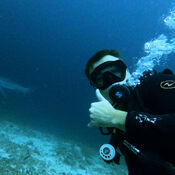
As divers, we're often well-versed in what to do - or what not to do - before and during a dive. But what about after? When you're back on dry land with a head swimming (sorry) with memories of marine marvels, there are certain things it's best to avoid doing. However, these can be easy to forget, and aside from the famed no-fly time, many aren't widely known. So, prepare for a risk-awareness refresh and read on for our guide on what not to do after diving...
Freediving and Snorkelling
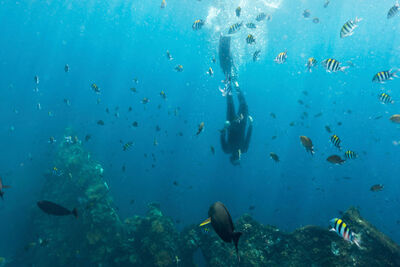
If you resurface desperate to return to the depths (say, in an impromptu freediving session), think again. The nitrogen that builds up in your body during scuba diving needs time to be released. However, the ascents and descents characteristic of freediving cause pressure changes that can interfere with this process, leading to more nitrogen bubbles forming in your body. Because of this, your risk of decompression sickness (DCS) increases if you freedive after scuba diving. While snorkelling, especially at shallow depths, is nowhere near as risky, it's always best to allocate a 24-hour surface interval - just in case.
Exercising
Fitness fiends may have to sit down for this one. You should avoid strenuous exercise after diving. This is because it can increase the formation of bubbles in the body or accelerate the movement of existing microbubbles, increasing your risk of DCS. According to the Diver's Aware Network (DAN), you should abstain from anything too intense for 24 hours. You can still get away with a spot of light yoga, though, or a mellow dance break.

Deep Tissue Massage
We're getting into the real kickers now. Experts advise against having a deep tissue massage after diving. There are two main concerns at play here: the risk of bubble formation due to increased blood flow, and the risk of a delayed - or worse, missed - DCS diagnosis on account of muscle soreness. To ensure the microbubbles in your body aren't moved or dislodged, put a 12-hour wedge between sea and spa. If you require R&R, opt for some gentle stretching instead.
Drinking
Like most forms of physical activity, diving necessitates a wind-down period. However, if this conjures thoughts of kicking back with a cold beer, you might want to rethink. Alcohol is known to exacerbate dehydration, making it particularly dangerous after a dive, when your body needs to hydrate to eliminate the nitrogen absorbed. Alcohol - especially in excess - can impair your judgement and hide early symptoms of DCS, which can be serious if unnoticed for too long. Feeling parched? Stick to water, or an electrolyte-replenishing drink.
Heat Exposure
It's natural to want to rinse off the salty water after a dive, but think twice before hoicking up the heat. Very hot showers can increase your circulation, allowing inert gases (notably nitrogen) in your body to act unpredictably, which can lead to DCS. Naturally, hot tubs and saunas should be avoided as well. While this may sound inconvenient, the advisable wait time is only 30 minutes. Can't bear the wait? Opt for a lukewarm shower instead.
Flying and Other Ascents
We're closing out our guide on what not to do after diving with a familiar favourite: no-fly time. While many may be aware of this proposed window between diving and flying, there's no harm in a quick refresher. The risk, as usual, lies in exacerbating the residual nitrogen bubbles coursing through your blood. In an aircraft cabin, pressure can cause these bubbles to multiply, raising your risk of DCS. To err on the side of caution, leave a 24-hour window between breaking the surface of the water and tipping back for an ascent into the sky. Speaking of ascents, reaching any altitude can be risky after diving. So, stay low and stay safe.

Tips
It's never nice to hear a list of things you can't do. So, let's finish with a few things you can do. Post-dive, it's best to drink lots of water - or whatever hydrating liquid takes your fancy - lounge about in the shade, read a book by the pool (supposing said pool is not atop a cliff) and generally take it easy. Now, that doesn't sound so bad, does it?


