
A dive adventure aboard the Mermaid II to the Banda Sea is the perfect diving experience. You can see marine life you might never have encountered before, from mobula rays and sea snakes to zebra urchin crabs and blue whales (yes, more than one). You could even spot hammerhead sharks gliding alongside tuna that are larger than an office desk. The Banda Sea stretches from Ambon in the north to Alor and Maumere in the south, offering everything from untouched coral reefs to thrilling marine life. The remote 'Ring of Fire' islands in eastern Indonesia remain largely undeveloped, and you can dive on pristine reefs with corals growing for miles. Keen to know more? Read on for the highlights from a Banda Sea diving trip...
Setting sail in Ambon
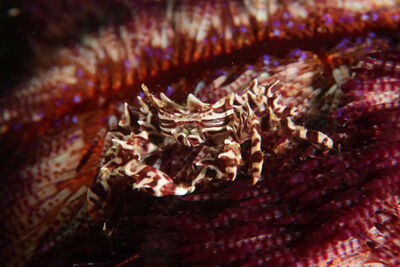
Board the vessel in Ambon - home to some of the world's best muck diving - and kick off the trip with gentle warm-up dives. Sadly, the rubbish in the water is hard to ignore, but the diving does not disappoint and you might spot everything from an ornate ghost pipefish next to a zebra urchin crab. And on a night dive, you might come across a school of tiny zebra catfish.
Back on land
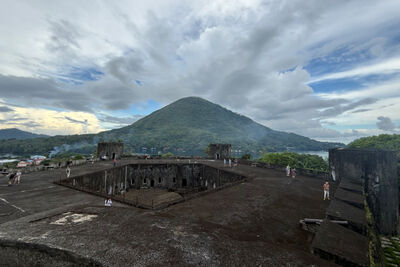
Next, cross over to Nusa Laut and Banda Neira to dive into the region's culture and history. En route, keep an eye out for majestic blue whales, which are an incredible sight. After stepping foot on land, visit the Rumah Budaya Banda Neira museum and the old Dutch fort, set against the backdrop of an active volcano. It's fascinating to learn more about the 17th-century spice islands, particularly in the trade of nutmeg and mace.
Surprises of Suanggi
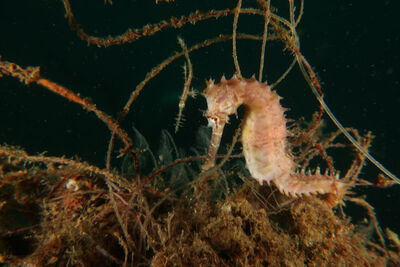
The isolated Suanggi seamount is next on the agenda. This is where hammerhead sharks usually take centre stage in April, May, September and October. Hammerheads aside, there is plenty to see, including schooling jacks, groups of tuna and large, friendly groupers.
Diving in ‘Snake Island’
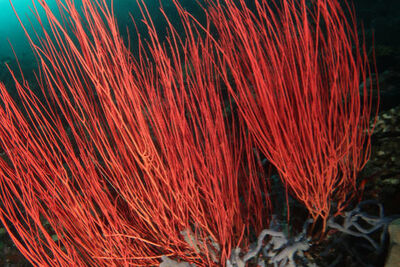
Manuk, often dubbed 'Snake Island', after the hundreds of sea snakes that inhabit the island's reef, is one to remember. Diving here means being surrounded by curious olive sea snakes and banded sea kraits. If you're not a fan of snakes, probably best to steer clear of this site. It's not all about the reefs, though, as with anything Banda Sea diving, you have to keep an eye out in the blue as well! Sites such as Manuk Ridge and Palm Point are good locations to see hammerheads and mobula rays.
Hit the jackpot
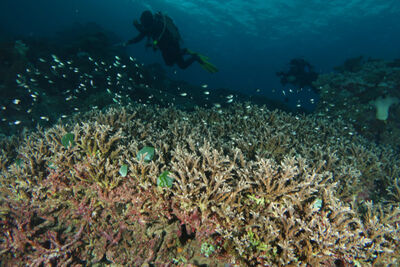
One of the best dive sites on the trip is Jackpot in Serua. It's normally exactly what it says on the tin, boasting schooling fish, coral walls and huge barrel sponges. Many of the dives in the area have strong currents and it's common to complete negative entries (when you enter the water with no air in your BC, causing you to sink), hook in on the reef and just enjoy the show. Large grey reef sharks might come and say hello. Nil Desperandum Atoll is also a highlight, offering a mix of sloping reefs, deep walls and the possibility of hammerheads once again.
Visiting Yan Village
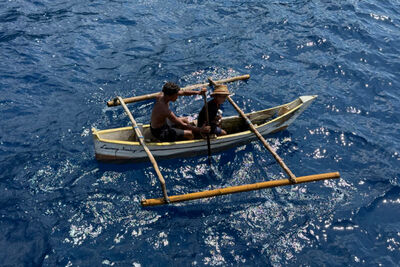
It's really special to spend time with the friendly children of Yan Village. They're descendants of the Bubu Fishermen of Alor, who often freedive with a bubu (handmade fish trap), a sustainable fishing method passed down through generations.
Until next time
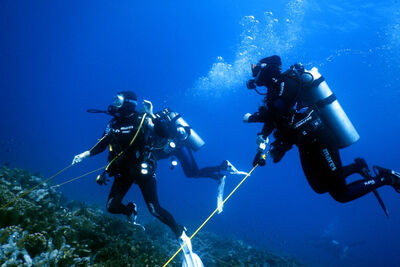
The experience on the Mermaid II is great. The dive deck is organised, the staff are friendly and the vessel is well-maintained. With few boats offering these routes and typically only two to four trips per year, we highly recommend booking this route well in advance (at least 12 months prior). Whichever boat you choose and whether you travel north to south or vice versa, you can be sure of some extraordinary diving and plenty of memorable experiences.
Diving Environment Details
- Type: Reefs, walls and pinnacles
- Level: Advanced divers. Many sites have currents and depths of 25m to over 30m
- Diving Season: April, May, September and October
- Depth: Five metres to over 40m
- Visibility: 15m to over 40m
- Temperature: 27-29°C, dropping to 22-24°C in Alor


