
Indonesia is renowned for its diverse diving opportunities, so it might not surprise you to find out that the country sits at the epicentre of the Coral Triangle (the heart of marine biodiversity). With a whopping 17,000 islands, Indonesia offers both divers and snorkellers the opportunity for outstanding marine life encounters - whether you're after bustling and beautiful coral reefs, macro critters or big fish and pelagic action. Read on for our guide to Indonesia's best dive and snorkel destinations…
Wakatobi
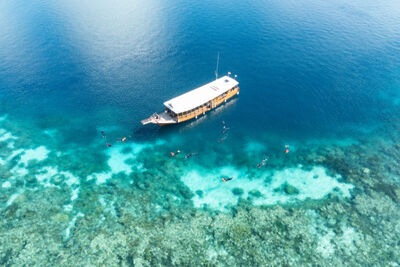
Although Wakatobi is pretty popular among divers, it's not widely known that Wakatobi's name is comprised of the first two letters of the archipelago's four largest islands: Wangi-wangi, Kaledupa, Tomia and Binongko. The area is renowned for its untouched, healthy corals, which are home to over 700 species of fish. The region can be dived all year round, but if you'd rather dodge the rain, it's best to visit in the dry season, which usually lasts from May to October. Wakatobi's warmest months are July and August, but we'd recommend visiting during the shoulder season (May to June or September to October) to avoid any bothersome crowds.
Whether you decide to explore Wakatobi's immaculate reefs from the comfort of a resort or a boutique liveaboard, be sure to pack a good fish identification guide - you'll be reaching for it after most dives. Wakatobi Dive Resort is also home to an outstanding house reef, and divers can enjoy up to three dives or snorkels per day (or splash out on an unlimited package, if that's not quite enough). Despite its brilliant diving opportunities, Wakatobi isn't quite as diverse as other areas of Indonesia, so if you want more variety, combine it with another destination or choose a liveaboard option.
Bali
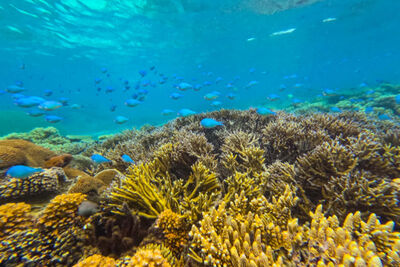
For most travellers, Bali is the gateway to Indonesia, and the diverse experiences on offer - both above and below the water - make it a great destination for divers seeking variety on their holiday. To the north-east of the island, the coastal villages of Tulamben and Amed offer both black sand diving and the chance to dive down to the legendary USAT Liberty wreck, just a stone's throw from the beach. Over on the east coast, Manggis and Padang Bai boast a range of marine life, from white-tip reef sharks to colourful nudibranchs.
Bali itself isn't the only diving hotspot: the surrounding islands also boast fantastic sites. Menjangan Island, just off the far north-western corner of Bali, offers divers the opportunity to swim with striped sea kraits along coral-encrusted walls and macro critters within underwater caverns. In the southern islands of Nusa Penida and Nusa Lembongan, several dive sites are prone to cooler upwellings, providing ideal conditions for the elusive mola mola (ocean sunfish). Be warned, though: these sites are best suited to advanced divers, as the bizarre critters are often found between 25 and 40m deep.
Raja Ampat
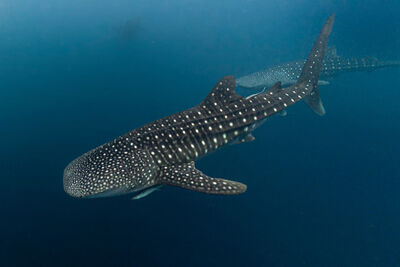
The remote region of Raja Ampat, located in West Papua, might be a little harder to get to, but it shouldn't be left off your diving bucket list. Translating to 'The Four Kings', Raja Ampat comprises 1,500 islands and cays, with four main islands: Waigeo, Batanta, Salawati and Misool. Each destination offers the opportunity to observe miles of colourful coral reefs which are home to a variety of marine life: in the north, wobbegongs lurk alongside manta cleaning stations, while the south boasts graceful sea turtles and manta rays.
There are a variety of resorts on Raja Ampat, but if you'd prefer to soak in the whole region in one trip, we'd recommend hopping aboard a liveaboard. The best time to visit is from November to April for sunny skies and warm water. While certain sites require a guide due to strong currents, most reefs offer the opportunity to snorkel and dive independently between 15 to 30m deep. Visibility in the dry season can be slightly worse (below 20m) due to the high concentration of plankton - but the plankton attract the mantas, so we think it's worth the risk.
Halmahera
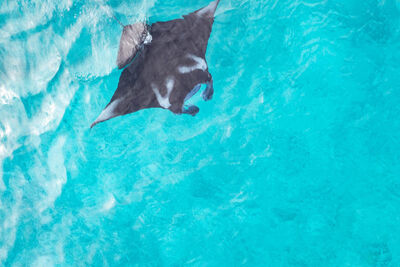
Halmahera sits between northern Sulawesi and Raja Ampat and is, in our opinion, Indonesia's best hidden paradise. Once the centre of the spice trade, the volcanic island is now a remote outpost that has escaped the attention of many divers and snorkellers. Halmahera offers the opportunity to experience around 70 exclusive dive sites, including pinnacles, coral gardens and plunging drop-offs, which are home to creatures including reef sharks, blue-ringed octopus, pygmy seahorse and even an endemic species of walking shark (Hemiscyllium halmahera). The island's incredible diversity means you could spend your whole trip here, or add on a visit to Siladen, Bunaken, Bangka or the Lembeh Islands for the ultimate Indonesian diving combination.
Although Halmahera can be dived year-round, it's generally best to visit from March to October - during dry season - when the water conditions are best. The area is prone to strong currents, making it great for drift diving and snorkelling; but if you're uneasy on boats, prone to seasickness or a snorkeller, we'd recommend avoiding June and August, as these months often bring strong winds and choppy seas. Don't worry, though - many resorts in the area have house reefs, offering easy access to stellar snorkelling and diving, and from the shore you'll likely be able to spot pods of dolphins, pilot whales and even majestic orcas.


