
Big, bold and brazen, bull sharks are thrilling underwater companions. These curious creatures frequent tropical coastlines around the world and have even been known to venture up rivers and tributaries (yes, really), making diving with bull sharks a bucket-list experience that's relatively easy to realise. But is it safe to share the water with these apex predators? What are the ethical considerations? And where can you actually do it? Read on for the answers to all these questions (and more) in our guide to diving with bull sharks...
Bull Shark Behaviour
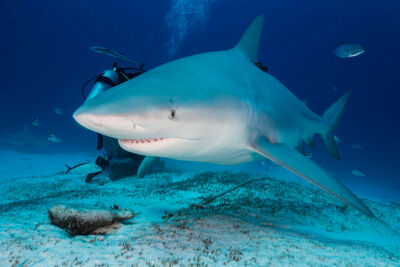
One of the few shark species capable of tolerating both saltwater and freshwater environments, bull sharks are positively prolific. They usually live near highly populated areas and enjoy cruising through warm, shallow waters around the world (well, wouldn't we all?).
Their rather unattractive name comes from their stocky build, short snouts and brutish behaviour -fast and agile, bull sharks have been known to headbutt their prey before attacking. They also display a complete lack of preference when it comes to their diet. One thing's for sure: you could never accuse these guys of being picky eaters.
When sharing the water with humans, bull sharks tend to be inquisitive and have been known to swim up to divers. However, as with any animal, their behaviour varies depending on location, environment and individual temperament.
Safety Precautions
Unfortunately for their reputation, bull sharks are among the most frequent sharks to be involved in incidents with humans - the other usual suspects being tiger sharks and great whites.
That said, these kinds of incidents are incredibly rare. When you consider the sheer volume of people that enter the ocean every year, the numbers (like the sharks) look far more intimidating than they are, with fewer than 20 fatalities occurring each year because of bull sharks.
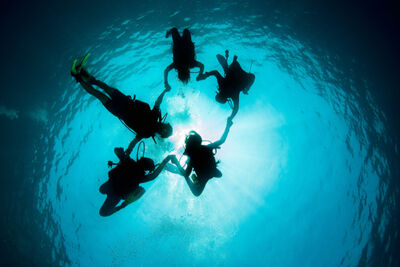
Due to the shark's sporadic behaviour, however, there are strict safety precautions that all divers must follow before jumping in the water, including maintaining good buoyancy control, avoiding sudden movements and remaining aware of your surroundings.
Ultimately, following your dive team's instructions and trusting their expertise are essential to creating a safe and enjoyable experience diving with bull sharks - both for you and the sharks.
Ethical Considerations
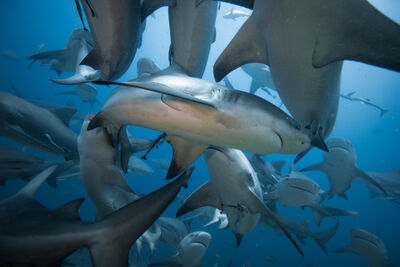
The good news? Diving with bull sharks is becoming increasingly popular. The not-so-good news, however, is that this means that some destinations have introduced methods such as baiting and chumming to increase the likelihood of shark encounters.
While these methods create amazing photo opportunities by drawing huge numbers of sharks, they can also alter natural behaviours and encourage the animals to associate boats with food.
To ensure your experience is as ethically conscious - and safe - as possible, prioritise destinations and dive teams that champion animal welfare, diver education and responsible encounters. As is always the case in nature, the most rewarding encounters are the ones that allow animals to act naturally.
Diving Destinations
Now you have a better understanding of the risks and responsibilities entailed when diving with bull sharks, it's time to move on to the fun bit: where to go?
Mexico (Playa del Carmen)
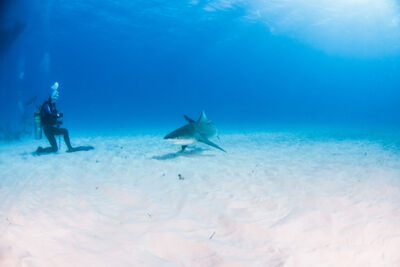
For a winter bull shark encounter, think Mexico. Between November and February, the yearly bull shark migration brings pregnant females to the balmy bays around the Yucatan Peninsula.
Playa del Carmen is the forerunner here, and the underwater experience is generally suitable for recreational divers. That said, sharing the water with such large animals means it's essential to dive with experienced local guides and strictly adhere to safety procedures, so keep this in mind when booking.
Fiji (Beqa Lagoon)
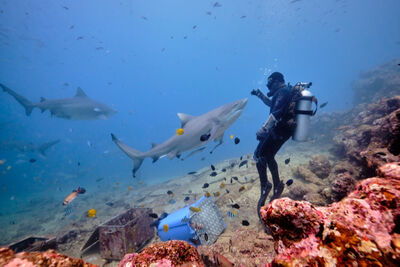
You've heard of Close Encounters of the Third Kind - how about Close Encounters of the Shark Kind? In the waters around Fiji, divers can come incredibly close to bull sharks, along with several other shark species.
Nowhere does this better than Beqa Lagoon. While many of its dive operators used to manage feeding operations, there is a silver lining (and we're not referring to the shark's hide). Thanks to the swerve from catching to protecting, shark conservation and ecotourism are gaining momentum - hooray.
Bahamas (Bimini)
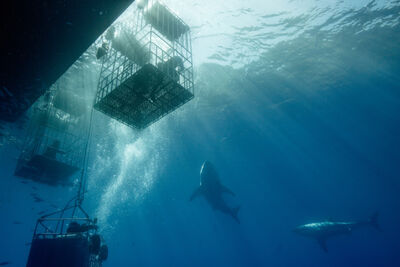
This one's for the thrill seekers. If you fancy climbing inside a cage for your bull shark encounter, look no further than Bimini in the Bahamas.
While baiting and chumming are used to attract the animals, bull sharks had been frequenting these waters long before tourism developed. This means that the influx of food from feeding operations causes less of a shock to the animals - but no less of a spectacle for the divers. Win-win.
Costa Rica (Cocos Island)
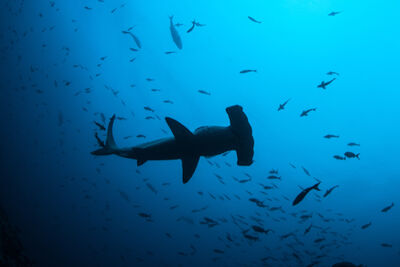
Last, but certainly not least: Cocos Island in Costa Rica. This remote liveaboard destination is known for its abundance of sharks and large pelagic marine life. We're talking whale sharks, manta rays, turtles, tuna, dolphins, rosy-lipped batfish - the list goes on.
The only hitch? Cocos Island is less a bull-shark-specific dive destination than an underwater free-for-all. So, if you don't mind a side of schooling hammerheads with your bull sharks, this is the place for you.
If our guide on diving with bull sharks has piqued your curiosity, get in touch with one of our experts today to start dreaming up your next high-octane adventure.


