
This month saw the long-awaited return of Blue Planet, with the third instalment of the Attenborough-narrated docuseries hitting our screens. Whether you caught the first episode or binge-watched all three released so far (who could blame you?), we're sure you were just as captivated as we were. Returning after nine years, the series explores five underwater habitats, from tropical seas to polar waters, while contemplating the future of our oceans. Keen to - excuse us - dive deeper? Read on to discover how to experience these underwater worlds...
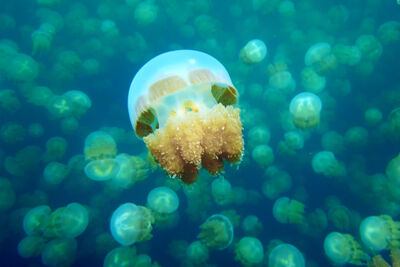
Tropical Seas
The first episode of the beloved series dips (rather enviably) into the warm allure of the tropics. To do the same on your next dive trip, look no further than the Philippines and Palau. Both located in the centre of the Coral Triangle, this sun-drenched duo make for a perfect pair. And since 76% of all known coral species and over 3,000 species of reef fish call these balmy waters home, the underwater sightings are bound to be plentiful. So, throw those dry suits aside and explore the bucket-list gem that is the Coral Triangle.
Explore for yourself: Dive the Full Spectrum in the Philippines and Palau
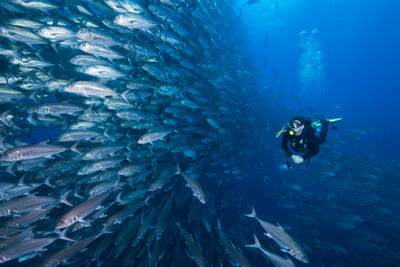
Open Ocean
Next, the crew venture out to document the remote wonders of the open ocean. Keen divers can find a similar experience at Cocos Island, which sits a whopping 340 miles off the coast of Costa Rica and is famously surrounded by deep waters. Since it's not part of an island chain, Cocos Island also acts as a remote retreat for marine life. And in case you needed any more incentive to give this far-flung favourite a go, legendary oceanographer Jacques Cousteau once declared it 'the most beautiful island in the world' - high praise indeed.
Explore for yourself: The Ultimate Adventure in Costa Rica
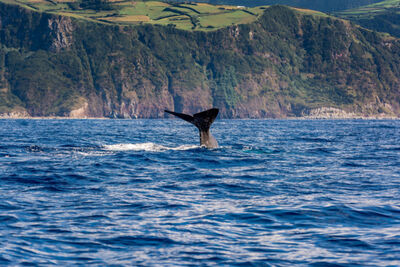
Seasonal Seas
Capturing an underwater ecosystem in transition may seem tricky without the expert guidance of Blue Planet's behind-the-scenes crew - if it weren't for the Azores, that is. From June to mid-October, this smattering of Portuguese islands experiences a seasonal shift as its volcanic waters transform from a springtime route for migratory whales into a summer hotspot for pelagic predators. The cherry on top: for us Brits, this dreamy dive destination is just a four-hour flight away, so you'll be submerged and awe-struck before you know it.
Explore for yourself: Island Hopping and Diving in The Azores
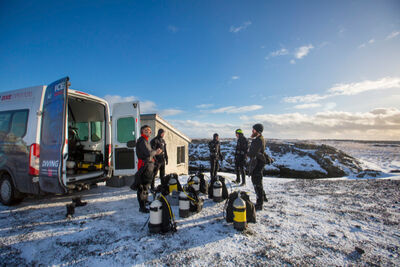
Polar Waters
Emulate the chill of polar waters in the cold-water diving hotspot (coldspot?) of the Galapagos. In the western islands of Isabela and Fernandina, you can hope to spot endemic penguins and flightless cormorants, as well as the fabulously flat mola mola (or ocean sunfish). Another destination sure to bring the chill is Iceland. Here, you'll find one of the most distinct dive sites in the world: the Silfra fissure. Not only is this the only place where you can drift between two continental plates, but it also boasts crisp water temperatures between two and four degrees - brrr.
Explore for yourself: An Epic Adventure Diving the Galapagos / A Long Weekend Diving in Iceland
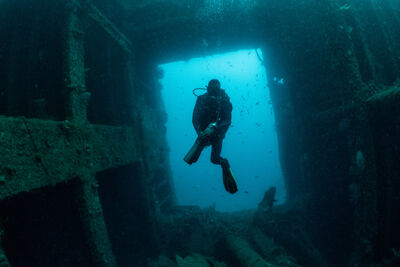
The Deep
In the penultimate episode of the show, the Blue Planet team are literally diving deep, right down to the darkest corners of the ocean. Sadly, this isn't an option for most recreational divers, but there are still plenty of top-tier tech diving options to explore. Where are these underwater wonders? Off the shores of Chuuk Lagoon, a wreck diving juggernaut in the middle of the Pacific Ocean. In these history-packed waters, you can discover over 50 Japanese WWII wrecks (sitting between depths of 5m and 60m) and, of course, a medley of marine life.
Explore for yourself: The Odyssey in the Chuuk Lagoon

Future Seas
While we can't promise to show you the distant future of the world's oceans (unless you plan a trip very far in advance), we can set the ball rolling for you to anticipate an upcoming aquatic adventure. So, to take the next step towards experiencing one of the Blue Planet III destinations for yourself, reach out to one of our specialists. Whatever the future brings, let's make sure there's a dive trip in the mix.


